
Introduction
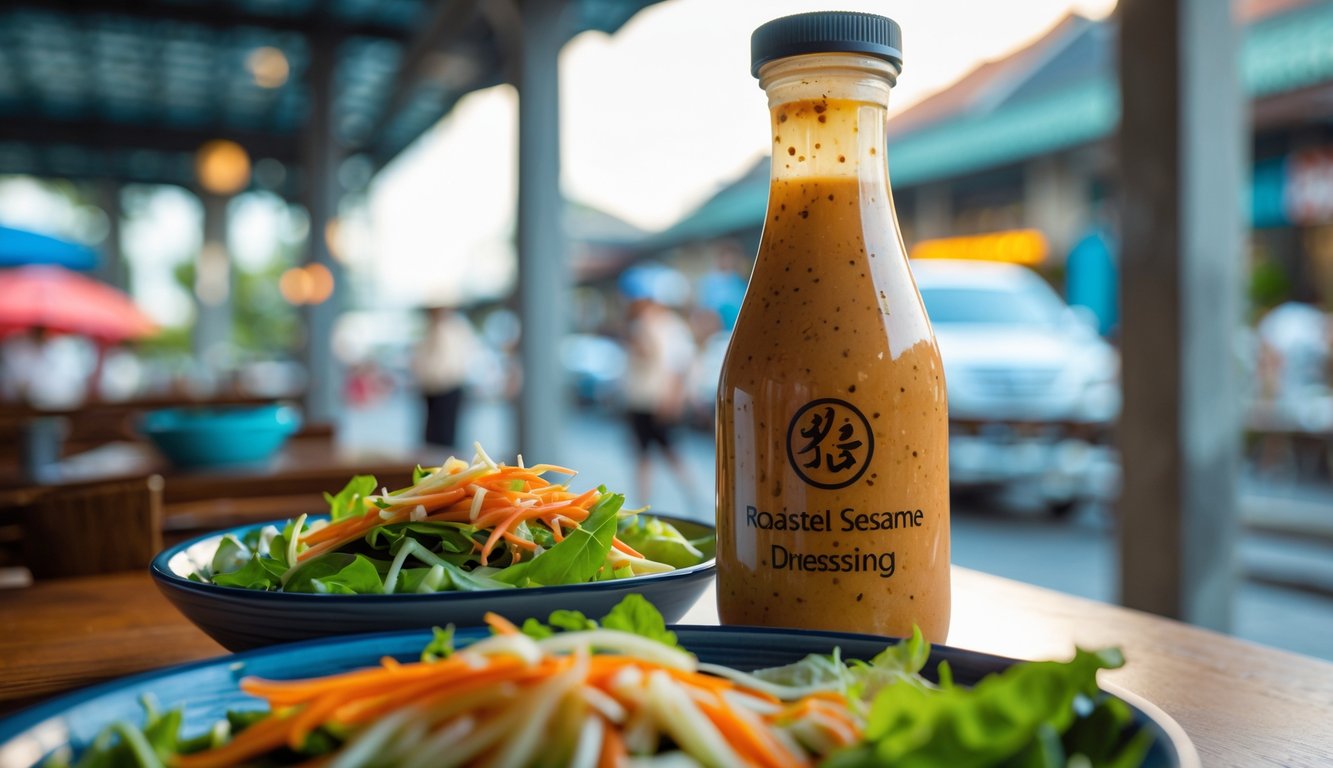
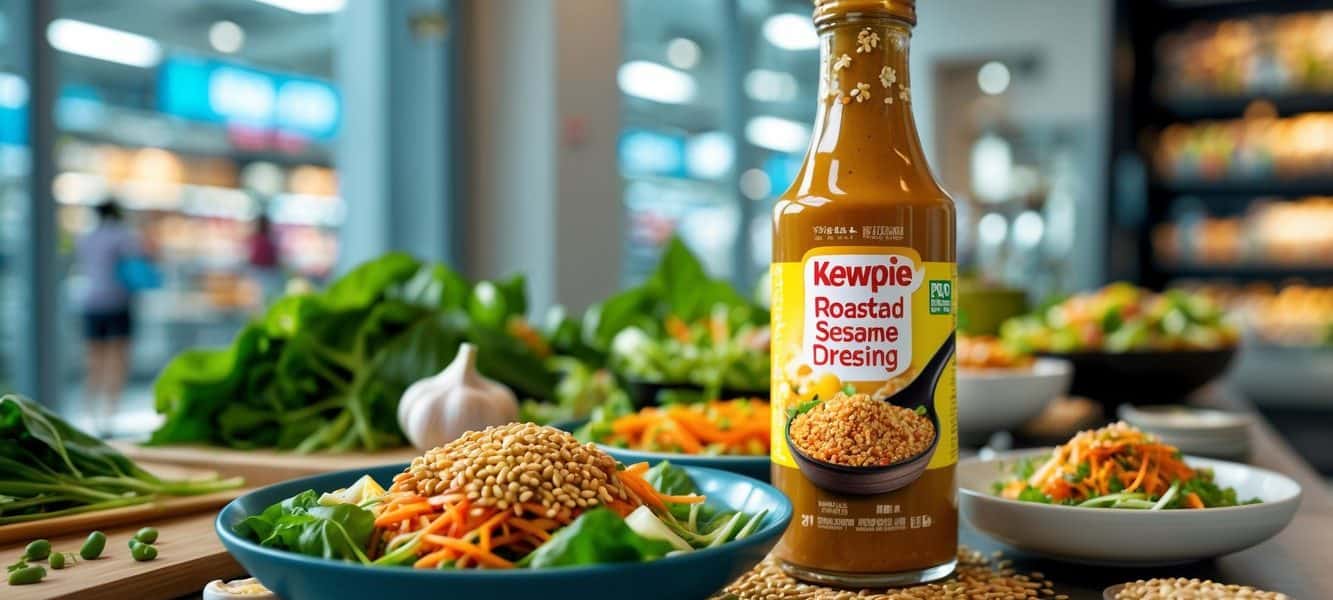
I first fell for the nutty, creamy pull of roasted sesame dressing on a weekday lunch rush, when I needed something quick but satisfying. In Malaysia’s humid heat and fast pace, a bottle of this umami-rich sauce can turn last night’s leftovers into today’s happy meal. If you’ve ever stood in a supermarket aisle wondering which bottle to grab, or how to make your own when stock runs out, you’re not alone. In this 2025 deep dive, I’ll walk you step by step through what Kewpie Roasted Sesame Dressing is, why it’s so beloved here, how it stacks up nutritionally, and how to make a homemade version that tastes just as good—sometimes better.
To keep this practical for the desktop experience, I’ve added a quick comparison table, clear subheadings, and a recipe you can scroll through easily. If you’re exploring the broader world of flavors or planning a pantry refresh, this guide is your starting point.
Introduction to Kewpie Roasted Sesame Dressing
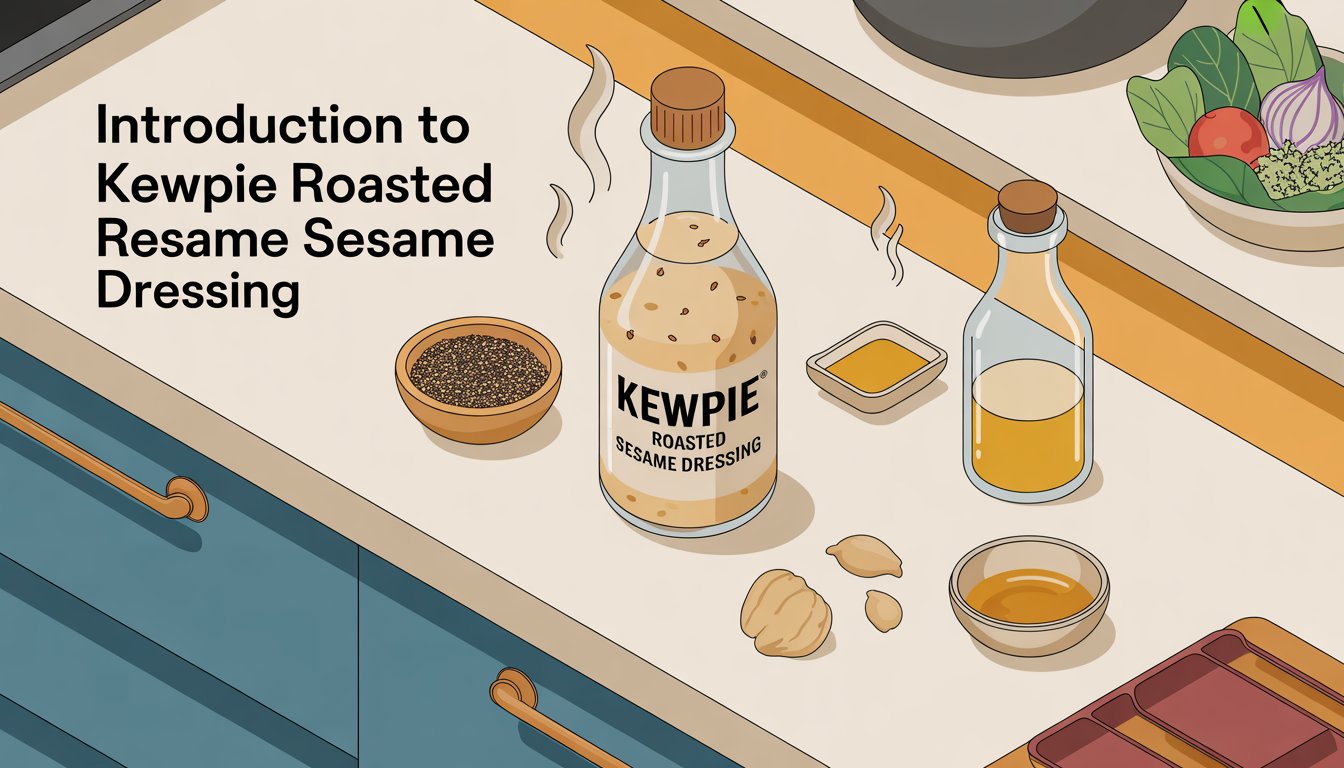
Kewpie Roasted Sesame Dressing is a creamy, nutty Japanese-style dressing made with toasted sesame seeds, oil, vinegar, and subtle sweetness. In Malaysia, it’s a favorite because it pairs effortlessly with local produce, grilled meats, and noodle dishes. It’s also widely available in major supermarkets and online marketplaces, with halal-certified options commonly found—always check the bottle for the latest certification status. This dressing has become a staple in many Malaysian households, offering a quick way to elevate everyday meals with its rich, savory profile that blends seamlessly into diverse cuisines.
History and Origins
Kewpie is a Japanese brand with a century-long legacy in sauces and dressings. The roasted sesame variant grew out of Japan’s love for goma (sesame) flavors, often seen in shabu-shabu dips and salads. As Japanese cuisine gained popularity across Southeast Asia, Malaysia embraced the dressing for its familiar nuttiness that plays well with local ingredients like cucumbers, grilled chicken, and fresh herbs. Over time, it became a staple condiment, bridging Japanese technique and Malaysian taste. Today, Kewpie Roasted Sesame Dressing in Malaysia continues to evolve, with local adaptations incorporating regional twists to suit diverse palates.
Key Features and Benefits
What sets Kewpie’s roasted sesame apart is its balance: deep sesame aroma, creamy body, bright acidity, and gentle sweetness. The result is a dressing that coats greens without drowning them and adds richness to noodles without feeling heavy. For busy days, it solves a common problem: how to add flavor in seconds without cooking. I also appreciate its consistency; even across batches, it delivers predictable results, which matters when you’re planning meals for the week. Additionally, its versatility makes it an excellent choice for those exploring roasted sesame dressing Malaysia options, enhancing both simple salads and more elaborate dishes with ease.
Health Benefits
When we talk about dressing, we’re really talking about two things: flavor and function. A good dressing should help you eat more vegetables—full stop. From a health perspective, roasted sesame dressing brings heart-friendly fats and antioxidants to the table, provided you keep an eye on portion size and sodium. In Malaysia, where mixed salads, cold noodles, and grilled proteins are mealtime regulars, a tablespoon or two goes a long way to make healthier choices more appealing. Incorporating Kewpie Roasted Sesame Dressing into your diet can encourage a more balanced intake of nutrients while satisfying your taste buds.
Nutritional Profile
Typical store-bought roasted sesame dressings, including Kewpie’s, are calorie-dense because they’re rich in oils and sesame paste. That’s not a bad thing—it’s energy and satiety—just something to measure with a spoon. Homemade versions can reduce sugar, adjust sodium, and swap oils, giving you tighter control over your macros. When considering the nutritional profile sesame dressing, it’s important to note how these elements contribute to overall health. Below is a quick, desktop-friendly view of typical values per tablespoon. Treat these as guides; always read your own label and adjust your homemade batch to taste.
| Nutrient (per 1 tbsp) | Store-bought (typical) | Homemade (example) |
|---|---|---|
| Calories | 80–100 kcal | 60–90 kcal |
| Total Fat | 7–9 g | 5–8 g |
| Saturated Fat | 0.5–1.5 g | 0.5–1.0 g |
| Carbohydrates | 2–4 g | 1–3 g |
| Sugars | 1–3 g | 0–2 g |
| Protein | 1–2 g | 1–2 g |
| Sodium | 180–260 mg | 120–200 mg |
The biggest levers you can pull at home are sugar and sodium. By adjusting soy sauce and sweetener, you can tailor the dressing to your dietary goals without losing the signature sesame punch. This customization is particularly useful for those monitoring their intake in the context of healthy salad dressing Malaysia trends. Overall, understanding these nutritional aspects helps in making informed choices for a balanced lifestyle.
Why It’s a Healthy Choice
Sesame seeds contain lignans and vitamin E, both known for antioxidant properties, and their fat profile leans toward heart-friendly unsaturated fats. When a dressing tastes this good, you’re more likely to add it to high-fiber foods like cabbage, carrot, and cucumber, which is a win for gut health and satiety. As long as you keep portions to one or two tablespoons, roasted sesame dressing can fit neatly into balanced eating, whether you’re managing weight, focusing on whole foods, or simply trying to eat more greens. Moreover, in Malaysia’s diverse food scene, this dressing encourages incorporating more plant-based elements into meals, promoting overall wellness.
Homemade Recipe (Bokkeun-kkae / 볶은깨)
Love the store-bought bottle but want more control over sugar and salt? Making a homemade roasted sesame dressing—and the roasted sesame seeds themselves—is easier than it looks. In Korea, toasted sesame seeds are known as bokkeun-kkae, and that same nutty base is at the heart of this recipe. I’ve written the steps so you can follow along on a desktop screen while you prep, with simple swaps if an ingredient is out of stock. This homemade bokkeun-kkae approach allows you to experiment with flavors while keeping costs low and freshness high.
Ingredients
You’ll need 3 tablespoons white sesame seeds, 1 tablespoon black sesame seeds (optional for deeper aroma), 2 tablespoons neutral oil (like grapeseed or canola), 2 tablespoons toasted sesame oil, 2 tablespoons rice vinegar, 1–1.5 tablespoons light soy sauce, 1–2 teaspoons sugar or honey, 2 tablespoons Japanese mayonnaise or plain yogurt (for a lighter tang), 1–2 tablespoons water to thin, and a pinch of salt. For extra depth, add 1 teaspoon miso or a small clove of garlic. If you prefer a lighter profile, replace part of the mayonnaise with yogurt and increase water slightly to reach a pourable consistency. These ingredients are readily available in Malaysian supermarkets, making this roasted sesame dressing recipe accessible for home cooks. Feel free to adjust quantities based on your taste preferences for a personalized touch.
Directions
Here’s the step by step method I use to get consistent results, even on a busy weeknight. Start with fresh, high-quality sesame seeds; they’re the soul of the dressing. A small nonstick pan and a blender or mortar will do the job nicely. Begin by toasting the seeds: Place white (and black, if using) sesame seeds in a dry pan over medium-low heat, stirring frequently for 3–5 minutes until aromatic and lightly golden, then remove immediately to prevent carryover burning. Next, grind for texture by pulsing two-thirds of the toasted seeds in a blender or grinding coarsely with a mortar, leaving the remaining third whole for crunch. Then, build the base in a bowl by whisking neutral oil, toasted sesame oil, rice vinegar, soy sauce, and sugar or honey until dissolved, adding mayonnaise or yogurt and whisking until creamy. Adjust thickness by stirring in 1–2 tablespoons of water until the dressing is pourable but still coats a spoon; if you add miso or garlic, blend briefly for a smoother body. Finish and season by folding in the ground and whole sesame seeds, tasting and adjusting salt, sweetness, or acidity—the flavors mellow after 10 minutes, so let it rest before final seasoning. Finally, store smart by transferring to a clean jar, labeling the date, and refrigerating; shake before each use since separation is natural.
This homemade version captures the roasted aroma while letting you dial in sodium and sweetness. If you cost it out with Malaysia’s current prices, a small batch often comes in under RM5–RM8, depending on your pantry staples. Experimenting with this recipe can lead to discovering your perfect balance of flavors.
Versatile Uses
Roasted sesame dressing is more than a salad sauce; it’s a flavor bridge. When your meal tastes flat, a spoonful brings toasted nuttiness and gentle acidity, tying together crunchy vegetables, noodles, and proteins. Below are my favorite ways to use it, drawn from weeknight cooking and weekend gatherings. Its adaptability makes it a go-to for creative cooking in Malaysian kitchens.
In Salads
For a quick desk-friendly lunch, I toss shredded cabbage, carrots, cucumbers, and grilled chicken with a tablespoon of dressing and a squeeze of lime. The creaminess softens sturdy greens while the acidity brightens heavier toppings like avocado or roasted pumpkin. If you enjoy local herbs, try a handful of ulam raja or daun selom—sesame’s nuttiness complements their fresh, slightly bitter bite. This combination not only enhances flavor but also boosts the nutritional value of your meal. Overall, using Kewpie Roasted Sesame Dressing in salads is a simple way to make healthy eating more enjoyable.
With Noodles
Cold noodles love sesame. I mix the dressing with a splash of noodle cooking water to thin it and toss with soba, mee suah, or even instant ramen noodles cooled under the tap. Add blanched long beans, cherry tomatoes, and a jammy egg for a balanced bowl that comes together in ten minutes. The dressing clings to the noodles, so you get even flavor without drowning the dish. It’s perfect for quick meals in Malaysia’s fast-paced lifestyle, offering both convenience and taste.
As Dipping Sauce
For steamboat nights or grilled meats, I serve roasted sesame dressing as a dip alongside chili and soy. It adds a creamy contrast to seafood, tofu, and leafy greens. It’s also excellent with yong tau foo, fried dumplings, or crunchy vegetable sticks when you want a snack that feels indulgent but still features whole ingredients. This usage highlights the dressing’s versatility beyond traditional applications. Incorporating it as a dip can elevate casual gatherings and family meals alike.
Care Instructions
Good care keeps flavors fresh and saves money. Malaysia’s warm, humid weather accelerates spoilage, so a few small habits will extend your dressing’s life and protect texture and taste. Whether you’re opening a new bottle or storing homemade batches, think “cool, clean, and sealed.” Proper sesame dressing storage tips are essential for maintaining quality over time.
Storage Tips
For store-bought dressing, refrigerate after opening and keep the cap clean and tightly closed. Avoid dipping utensils directly into the bottle; decant what you need to prevent contamination. For homemade versions, use sterilized jars, label the date, and store on the coldest shelf of your fridge rather than the door, which fluctuates in temperature. These practices help preserve the dressing’s fresh taste and prevent bacterial growth. By following these tips, you can enjoy your roasted sesame dressing for longer periods safely.
Shelf Life and Usage
Unopened store-bought bottles typically last months; always check the printed date and follow the brand’s guidance. Once opened, aim to use within 4–6 weeks for best flavor, though it may last longer if kept cold and clean. Homemade dressing is more delicate; plan to finish within 7–10 days, especially if you’ve used yogurt. When in doubt, smell and taste a tiny bit—if it’s bitter, fizzy, or separated beyond recovery, it’s time to make a fresh batch. Monitoring shelf life ensures you avoid waste and maintain food safety in your kitchen.
FAQs
Is Kewpie Roasted Sesame Dressing halal in Malaysia?
Halal-certified options are commonly available in Malaysia, but certification can vary by product and batch. Always check the current label for the halal mark before purchasing. If you need guaranteed control, the homemade recipe in this guide is a reliable alternative. This approach ensures you can enjoy the dressing while adhering to dietary requirements.
How can I make the dressing lighter or lower in calories?
Replace part or all of the mayonnaise with plain yogurt and thin with water as needed. Reduce sugar and use a lighter hand with sesame oil, then bump up rice vinegar for brightness. Start small, taste, and adjust until you reach a balanced, lighter profile. These modifications can significantly cut calories without sacrificing the essential flavors.
What if I don’t have rice vinegar?
You can substitute with apple cider vinegar or a mild white vinegar, but use slightly less and taste as you go. Rice vinegar is softer and slightly sweet, so you may need an extra pinch of sugar to rebalance. Avoid strong vinegars like balsamic, which can overpower sesame. Experimenting with substitutes can help you adapt the recipe to your available ingredients.
Can I use the dressing as a marinade?
Yes, it works well for chicken, tofu, and mushrooms. Because it contains oil and acid, marinate for 20–60 minutes rather than overnight to prevent mushy textures. Pat dry before cooking to encourage browning, then drizzle fresh dressing after cooking for extra aroma. This method adds depth to your dishes while keeping preparation simple.
What should I compare when choosing between brands?
Look at sesame content, sugar per tablespoon, and sodium levels, and scan the ingredients for allergens you need to avoid. Texture matters too—some brands are thicker and coat salads better, while others are lighter for noodles. If you’re undecided, do a side-by-side tasting at home and compare how each performs on salad versus noodles. This comparison ensures you select the best option for your needs.